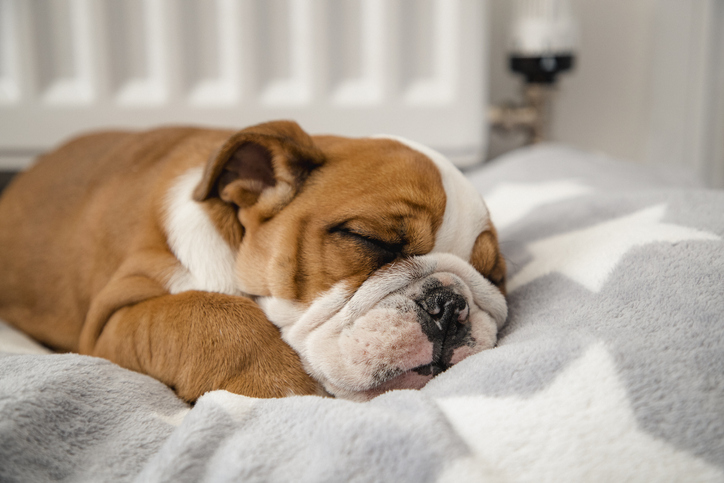
Decoding Puppy Snores: Normal Noises, Hidden Health Concerns, & Vet Advice
Few things are as endearing as a sleeping puppy, and for many pet parents, that includes the charming little snuffles and snores that accompany their dreams. It’s easy to dismiss these sounds as just another adorable quirk, but it's natural to wonder, "
Do puppies snore, and is it always okay?" While often harmless, puppy snores can sometimes be a subtle indicator of underlying health issues. Understanding the difference between a normal, innocent snore and one that warrants veterinary attention is crucial for your puppy's well-being.
Snoring in puppies, much like in humans, occurs when the flow of air through the upper airways (nose and throat) is partially obstructed, causing the soft tissues to vibrate. The intensity and sound of the snore depend largely on the degree of this narrowing or blockage. Let’s delve into what causes these noises and when you should pay closer attention.
When "Do Puppies Snore" is Perfectly Normal and Healthy
Many reasons behind puppy snoring are entirely benign and no cause for alarm. If your puppy is happy, energetic, eating well, and otherwise healthy, their snoring is often just part of their unique personality.
Sleeping Position
One of the most common and harmless causes of puppy snoring is their sleeping position. Just like people, puppies can find themselves in positions that temporarily restrict their airway. If your puppy usually sleeps curled up in a ball and quiet, but then stretches out on their back with their head tilted, you might suddenly hear a soft snore. When a puppy sleeps on their back, gravity can cause their tongue to fall backward, partially blocking their throat and leading to that unmistakable "chh-chh-chh" sound. Observing your puppy's sleeping habits can quickly tell you if this is the case. If they shift positions and the snoring stops, you likely have nothing to worry about.
Breed Predisposition: The Case of Brachycephalic Breeds
Certain breeds are simply predisposed to snoring due to their unique anatomy. These are known as brachycephalic (or flat-faced) breeds, characterized by their shorter-than-average snouts and compressed respiratory systems. Breeds like Pugs, Bulldogs, French Bulldogs, Shih Tzus, and Boxers often have elongated soft palates, narrowed nostrils (stenotic nares), or a hypoplastic trachea (narrow windpipe) that can make breathing more difficult even when awake.
For these puppies, snoring is often a lifelong trait, a consequence of their breed. While it may sound alarming at times, for many brachycephalic puppies, it’s simply "who they are." However, owners of these breeds should always be vigilant for signs of more severe respiratory distress, especially during exercise or hot weather, as their unique anatomy can sometimes lead to a condition known as Brachycephalic Obstructive Airway Syndrome (BOAS). Regular check-ups with your vet are essential to monitor their breathing health.
Genetics and Individual Traits
Sometimes, a puppy's snoring is simply an individual characteristic. If your puppy has snored their whole life, right from the time you brought them home, and shows no other signs of distress, it could just be a normal part of their sleeping pattern. Some dogs are simply "snorers," and as long as they are otherwise thriving, it's often a sign of a content and healthy pet.
Medications
If your puppy is on any new medication, it's worth discussing potential side effects with your veterinarian. Certain drugs can act as muscle relaxants or cause inflammation, leading to increased snoring. This is usually a temporary side effect, but always confirm with your vet.
Red Flags: When Puppy Snoring Might Signal a Health Concern
While many puppy snores are adorable, there are specific situations where snoring could be a red flag, indicating an underlying health issue that requires veterinary attention.
Sudden Onset of Snoring
One of the most significant indicators of a potential problem is a new snore. If your puppy has never snored before, or their snoring suddenly becomes louder, more frequent, or accompanied by other symptoms, it's a strong signal that something has changed within their respiratory system. This warrants immediate investigation by your vet.
Allergies and Respiratory Irritants
Just like humans, puppies can suffer from allergies, which can cause swelling and irritation in their nasal passages and throat, leading to snoring. Common allergens include:
- Pollen: Seasonal allergies can manifest as snoring, sneezing, or a congested sound, especially during certain times of the year.
- Dust Mites: Indoor allergens like dust can cause chronic sinus problems.
- Secondhand Smoke: Exposure to smoke is a significant irritant for a puppy's sensitive respiratory system.
- Food Allergies: Although less common, some food sensitivities can contribute to respiratory inflammation.
Accompanying symptoms of allergies might include paw licking, skin irritation, watery eyes, or persistent scratching.
Respiratory Infections
Snoring can be a symptom of a respiratory infection, such as a cold, kennel cough, or other bacterial or viral infections. These conditions cause inflammation and mucus buildup in the airways, making breathing difficult and leading to snoring. Look out for other signs of illness, such as:
- Coughing or sneezing
- Nasal or ocular discharge (runny nose or eyes)
- Lethargy or decreased activity levels
- Loss of appetite
- Fever
If you notice any of these symptoms alongside snoring, contact your vet promptly.
Foreign Objects in the Airway
Puppies are curious creatures, and it's not uncommon for them to inhale small objects accidentally. A piece of grass, a tiny toy fragment, or even food particles can become lodged in their nasal passages or throat, causing partial obstruction and snoring. This is often accompanied by pawing at the face, reverse sneezing, or a sudden onset of distress.
Obesity
While less common in very young puppies, obesity can contribute to snoring as puppies grow. Excess fat around the throat and neck area can narrow the airway passages, making snoring more likely. Establishing healthy eating habits and ensuring adequate exercise from a young age is crucial for preventing weight-related health issues later in life.
Anatomical Abnormalities (Beyond Typical Brachycephalic Traits)
Sometimes, puppies can have less common anatomical issues, such as an elongated soft palate that severely obstructs airflow or even polyps or other masses in the upper airways. While highly unlikely in a 7-month-old puppy, these can occasionally occur and would certainly cause snoring. In cases of severe anatomical obstruction, surgical correction may be necessary to help your puppy breathe easier, both at rest and during play.
Taking Action: What to Do If Your Puppy Snores
If you're concerned about your puppy's snoring, here’s how to approach the situation:
Observe and Document
Become an astute observer of your puppy's snoring patterns.
- When does it occur? Only when sleeping on their back, or in all positions?
- How loud is it? Is it a gentle snuffle or a thunderous roar?
- Is it consistent? Has it been happening since they were tiny, or is it a new development?
- Are there other symptoms? Coughing, sneezing, discharge, changes in energy, appetite, or breathing while awake?
- Take videos: A short video of your puppy snoring, especially if they are exhibiting other symptoms, can be incredibly helpful for your veterinarian.
Consult Your Veterinarian
If your puppy develops a new snore that you're regularly noticing, if their snoring becomes significantly louder or more frequent, or if it's accompanied by any other concerning symptoms, it's always best to make an appointment with your veterinarian. They can perform a thorough physical examination, potentially including a check of their airways, to rule out any underlying medical conditions. Don't hesitate to voice your concerns; early detection of problems often leads to more effective treatment.
Home Environment Adjustments
For snoring caused by allergies or irritants, you can make a few adjustments to your home environment:
- Improve Air Quality: Use an air purifier to reduce dust and allergens.
- Humidifier: A humidifier in your puppy's sleeping area can help alleviate dry nasal passages.
- Cleanliness: Regularly clean your puppy's bedding and vacuum to minimize dust mites.
- Avoid Irritants: Ensure your puppy isn't exposed to secondhand smoke or strong chemical fumes.
Weight Management
If your veterinarian determines that your puppy is overweight, even slightly, take steps to manage their weight. A balanced diet and regular exercise are crucial for their overall health and can significantly impact their breathing.
Comfortable Sleeping Arrangements
Experiment with different types of beds or sleeping locations. Sometimes, a different pillow or a firmer mattress can encourage your puppy to sleep in a position that minimizes snoring.
For a deeper dive into distinguishing between cute puppy snores and those that warrant a call to the vet, check out our guide on
Puppy Snoring: When It's Adorable vs. When to Call the Vet. You can also explore
Why Is Your Puppy Snoring? Common Causes & What to Watch For for more detailed insights into potential triggers.
Proactive Care: Long-Term Well-being for Your Snoring Puppy
Understanding your puppy's unique physiology and maintaining open communication with your veterinary care team is paramount. If your brachycephalic puppy, a lifelong snorer, struggles with breathing during activity, or if their snoring impacts their quality of life, discussing potential surgical procedures with your vet can open up options for improving their breathing comfort both at rest and when playing. Proactive care ensures that even if your puppy snores, they can still lead a happy, healthy, and comfortable life.
Ultimately, while the sound of a puppy snoring is undeniably endearing, it's essential for pet owners to know when to simply enjoy the moment and when to seek professional advice. By observing your puppy's behavior, understanding common causes, and consulting your veterinarian when concerns arise, you can ensure their adorable snores remain a sign of peaceful slumber, not an indicator of a hidden health issue.