Puppy Snoring: When It's Adorable vs. When to Call the Vet
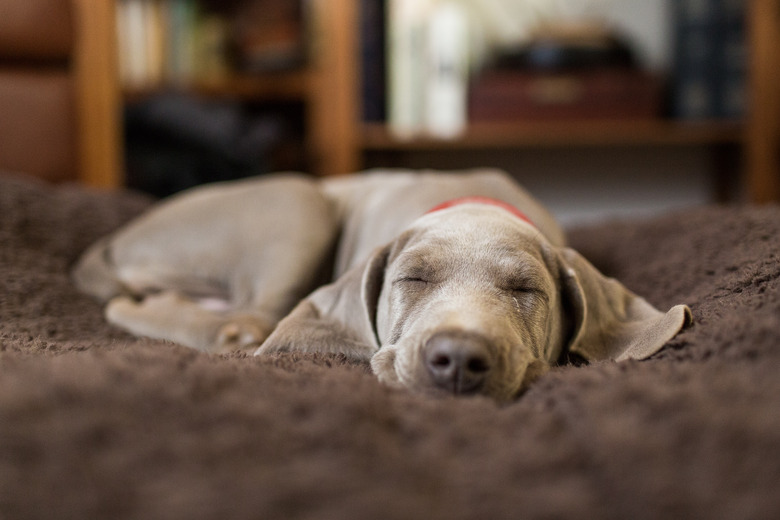
There's something uniquely charming about a tiny puppy curled up, fast asleep, emitting soft little snuffles or even a robust rumble. Puppy snoring can range from a barely audible whisper to a sound loud enough to command attention from across the room. While often undeniably cute, these nightly noises can also spark a question in the minds of many pet parents: "Do puppies snore normally, or is this something I should worry about?"
Understanding the difference between an innocent slumber sound and a potential health indicator is crucial for any conscientious owner. Snoring occurs when there are vibrations in the upper airways, which include your puppy's nose, throat, and soft palate. A narrowing or partial blockage of these passages changes airflow, producing that familiar sound. Let's delve into when puppy snoring is simply part of their charm and when it might warrant a call to your veterinarian.
The Adorable Side: When Puppy Snoring Is Normal
Often, your puppy's snoring is nothing more than a harmless quirk, a sign they're truly relaxed. Several factors can contribute to normal, non-concerning snoring.
Positional Snoring
Just like humans, a puppy's sleeping position can significantly influence whether they snore. If your puppy typically sleeps curled up in a tight ball and is usually quiet, but suddenly snores when flopped on their back, it's likely due to their tongue or soft palate partially obstructing their throat. When lying on their back, gravity can cause these tissues to relax and fall slightly backward, narrowing the airway. This type of snoring is usually intermittent and not accompanied by any signs of distress. If you gently shift your puppy's position, the snoring might stop, confirming it's merely a positional phenomenon.
Brachycephalic Breeds – Built-in Snorers
If you share your home with a flat-faced breed, such as a Pug, French Bulldog, English Bulldog, Shih Tzu, Boston Terrier, or Boxer, you're likely no stranger to puppy snores. These breeds are known as brachycephalic, meaning they have distinctly shortened snouts and often possess unique anatomical features that make them prone to snoring. Their compacted facial structures can include narrowed nostrils (stenotic nares), an elongated soft palate that can block the airway, or a hypoplastic (underdeveloped) trachea.
For these charming pups, snoring is often a lifelong trait, a direct consequence of their unique anatomy. While it’s often considered "normal" for brachycephalic breeds to snore, owners should remain vigilant. In some cases, severe anatomical issues can lead to Brachycephalic Obstructive Airway Syndrome (BOAS), which can impair breathing even when awake and active. If your brachycephalic puppy's snoring is consistently loud, labored, or accompanied by other breathing difficulties, consult your vet. Surgical procedures can sometimes help improve their quality of life by making breathing easier.
Temporary Causes & Environmental Factors
Even puppies without flat faces can experience normal, temporary snoring due to various external factors:
*
Allergies: If your puppy sounds congested or snores more during certain seasons, they might be experiencing allergies. Similar to humans, dogs can be allergic to pollen, dust mites, dander, or even household irritants like certain air fresheners or secondhand smoke. These allergies can cause inflammation and swelling in their nasal passages and throat, leading to temporary snoring.
*
Dry Air: A dry environment, especially in winter months, can sometimes irritate a puppy's nasal passages, leading to dryness and mild inflammation that contributes to snoring. Using a humidifier in their sleeping area might help alleviate this.
*
Medication Side Effects: Certain medications, particularly sedatives or muscle relaxants, can cause the muscles in your puppy's throat to relax more than usual, potentially leading to snoring. Always discuss possible side effects with your vet whenever your puppy is prescribed a new medication.
*
"Just Who They Are!": Sometimes, the simplest explanation is the correct one. If your puppy is otherwise happy, energetic, eating well, and has no other concerning symptoms, snoring might simply be a part of their unique personality. Some dogs just snore!
When to Pay Attention: Warning Signs of Concerning Puppy Snoring
While many puppy snores are benign, there are specific circumstances and accompanying symptoms that should prompt a more thorough investigation by your veterinarian.
New Onset or Sudden Change
Perhaps the most significant red flag is a sudden change in your puppy's snoring habits. If your puppy has never snored before and suddenly starts, or if their snoring dramatically increases in loudness, frequency, or intensity, it could be a symptom of an underlying issue. A new snore that you're regularly noticing warrants professional attention to rule out any developing medical conditions. For a deeper dive into common causes and what to watch for, you might find our article
Why Is Your Puppy Snoring? Common Causes & What to Watch For helpful.
Accompanying Symptoms
Snoring that comes with other concerning signs is a strong indicator that a vet visit is needed. Watch for:
*
Difficulty Breathing: Labored breathing, gasping for air, excessive panting without exertion, or struggling to inhale or exhale. If your puppy's gums appear bluish or purplish, this indicates a lack of oxygen and is a medical emergency.
*
Disrupted Sleep: If your puppy wakes up frequently, seems restless, or struggles to get comfortable due to their snoring, it can impact their overall health and development.
*
Nasal Discharge, Sneezing, or Coughing: These symptoms, especially if accompanied by a fever or lethargy, can point to an upper respiratory infection (like kennel cough), allergies, or even the presence of a foreign object.
*
Changes in Behavior or Energy Levels: A puppy that suddenly becomes lethargic, loses their appetite, or seems generally unwell in conjunction with snoring could be battling an illness.
*
Weight Gain: While less common in very young puppies, obesity can lead to fat deposits around the throat and neck, narrowing the airways and contributing to snoring in dogs of all ages. Ensuring your puppy maintains a healthy weight is vital.
Potential Underlying Medical Causes
Several medical conditions, ranging from minor to serious, can cause or exacerbate snoring in puppies:
*
Infections: Bacterial or viral upper respiratory infections can cause significant inflammation and congestion in the nasal passages and throat, leading to pronounced snoring.
*
Foreign Objects: Curious puppies often explore with their noses! A piece of grass, a seed, a small toy fragment, or other debris lodged in their nasal passages or throat can cause partial obstruction and snoring.
*
Severe Allergies: While mild allergies can cause temporary snoring, severe, untreated allergies can lead to chronic inflammation and breathing difficulties.
*
Dental Issues: Although rare in young puppies, an abscessed tooth or severe gum inflammation can sometimes affect surrounding nasal or throat tissues, contributing to snoring.
*
Growths or Masses: Polyps, tumors, or other growths in the upper airways are highly unlikely in a young puppy but are a possibility that a veterinarian would consider and rule out, especially if the snoring is new and persistent.
*
Hypothyroidism: While more common in adult dogs, this condition can, in some cases, lead to a thickening of tissues in the throat, potentially contributing to snoring. Your vet can determine if this is a concern for your puppy.
Actionable Advice: When to Call the Vet
When in doubt, it's always best to err on the side of caution and consult your veterinarian. Schedule an appointment if:
* Your puppy's snoring is new, sudden, or has significantly worsened.
* The snoring is accompanied by any other concerning symptoms like difficulty breathing, coughing, sneezing, nasal discharge, lethargy, or changes in appetite.
* Your puppy seems distressed during sleep or wakes up frequently gasping for air.
* You have a brachycephalic breed and are concerned about their overall breathing ability, not just snoring.
* You suspect a foreign object might be lodged in their airway.
Your veterinarian will conduct a thorough physical examination, listen to your puppy's heart and lungs, and possibly recommend diagnostic tests such as X-rays, blood work, or endoscopy to pinpoint the cause of the snoring. Early intervention can prevent minor issues from becoming more serious. To help you decode your puppy's snores further and understand when to seek professional advice, refer to
Decoding Puppy Snores: Normal Noises, Hidden Health Concerns, & Vet Advice.
Managing Puppy Snoring: Tips for Pet Parents
Beyond medical intervention, there are several things you can do at home to help manage or alleviate minor snoring:
*
Optimize Their Sleeping Environment: Ensure their bedding is clean and dust-free to minimize allergens. If dry air is an issue, consider a humidifier in their sleeping area.
*
Maintain a Healthy Weight: While most puppies are naturally lean, ensuring they grow at a healthy pace and avoid becoming overweight will prevent obesity from contributing to breathing issues later in life.
*
Elevate Their Head: Sometimes, providing a slightly elevated pillow or a bed designed to support their head can encourage better airflow.
*
Monitor and Record: Keep a journal or use your phone to record when your puppy snores, how loud it is, and any other symptoms you observe. These recordings can be invaluable for your vet.
*
Avoid Irritants: Limit exposure to secondhand smoke, strong chemical cleaners, and perfumes that can irritate your puppy's respiratory system.
Conclusion
Puppy snoring can be one of the most endearing sounds in your home, often a harmless indicator of deep, contented sleep. However, it's essential for pet parents to distinguish between the adorable snuffles and those sounds that might signal a deeper health concern. By observing your puppy's overall health, energy levels, and any accompanying symptoms, you can make informed decisions. Remember, your veterinarian is your best resource for any concerns about your puppy's well-being. A proactive approach ensures your furry friend stays happy, healthy, and breathing easy, whether they're silently dreaming or adorably rumbling through the night.