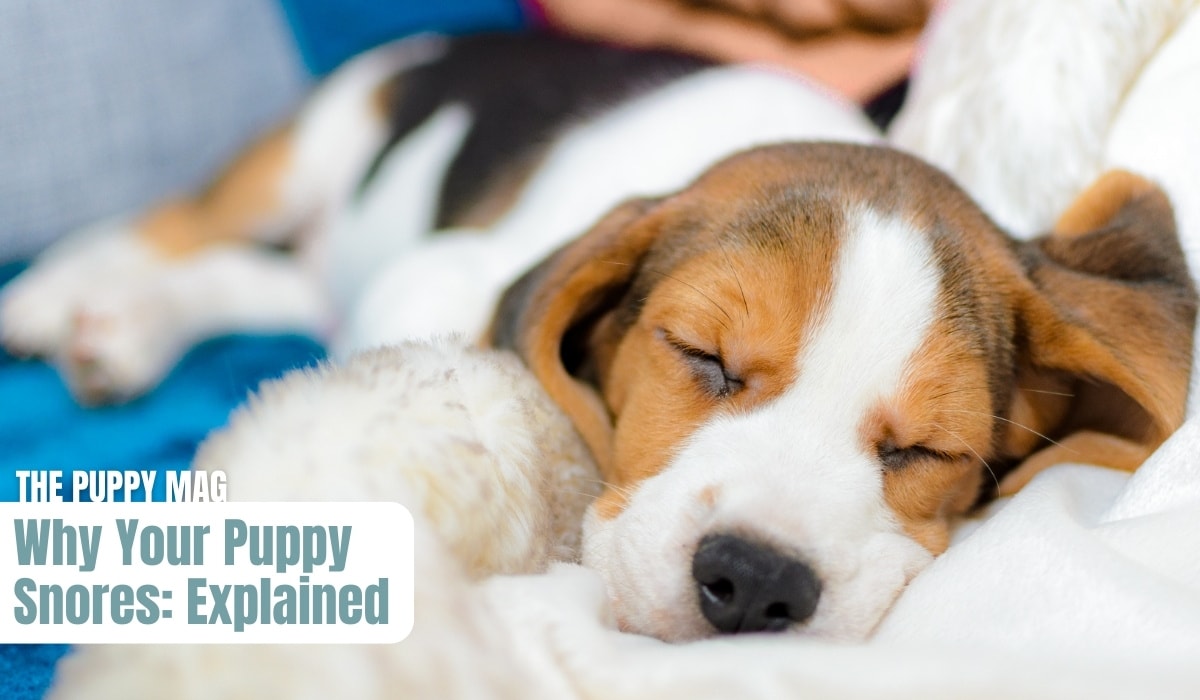
Why Is Your Puppy Snoring? Common Causes & What to Watch For
There's little that melts a heart quite like a sleeping puppy, curled up in a ball or sprawled out, twitching through a dream. But sometimes, these adorable sleep sessions come with an unexpected soundtrack: snoring. If you've ever wondered, "Do puppies snore?" the answer is a resounding yes! From a gentle snuffle to a surprisingly loud rumble, puppy snores can be both endearing and, occasionally, a cause for concern. Understanding the difference is key to ensuring your furry friend's well-being.
Snoring is essentially the sound produced by vibrations in your puppy's upper airways, specifically the nose and throat, as air passes through. Any narrowing or partial obstruction in these passages can increase the vibrations, leading to louder snores. While many instances of a puppy snoring are entirely benign, others can signal an underlying issue that warrants attention. Let's delve into the common reasons behind your puppy's nightly noises and what signs you should always monitor.
The Mechanics Behind Your Puppy's Snore
At its core, snoring is a mechanical process. When your puppy breathes during sleep, air flows from their nose or mouth, through the pharynx (throat), and into the trachea (windpipe). If this pathway is clear and open, airflow is smooth and silent. However, if there's any constriction or obstruction – even a slight one – the soft tissues in the upper airway can vibrate as air is forced past them. This vibration creates the distinct sound we recognize as snoring.
The intensity and sound of the snore depend largely on the degree of narrowing or blockage. A minor partial obstruction might result in a soft snuffle, while a more significant one could produce a loud, rumbling snore audible from across the room. Understanding this basic mechanism helps us appreciate the various factors that can contribute to a puppy snoring, some of which are harmless, and others that require a closer look.
When a Snoring Puppy Is Perfectly Normal (and Adorable!)
For many puppies, snoring is simply a part of their unique charm. Here are some of the most common, and generally harmless, reasons why do puppies snore:
- Sleeping Position: Just like humans, a puppy's sleeping posture can significantly impact their breathing. If your puppy typically sleeps quietly curled up but suddenly starts snoring when flopped on their back, their tongue might be partially obstructing their throat, creating those tell-tale vibrations. This is a very common and usually non-issue cause.
- Breed Predisposition (Brachycephalic Breeds): Certain breeds are almost guaranteed to snore, not because of a medical problem, but due to their unique anatomy. Brachycephalic breeds – those with short, "squished" faces like Pugs, Bulldogs, French Bulldogs, Boston Terriers, and Shih Tzus – are prone to breathing complications. Their shortened snouts often come with narrowed nostrils (stenotic nares), an elongated soft palate, and sometimes a hypoplastic trachea (narrow windpipe). These structural differences mean their airways are naturally more constricted, leading to lifelong snoring. While it's often considered "normal" for these breeds to snore, it's always wise to discuss their breathing with your vet, as severe cases might benefit from surgical intervention to improve their quality of life, even if they've snored since puppyhood.
- Temporary Factors: Sometimes, minor irritants can cause temporary snoring. A dry environment, for example, can dry out mucous membranes, making snoring more likely. A little dust or dander might also cause mild irritation.
- Medication Side Effects: If your puppy is on any new medication, especially sedatives or muscle relaxants, snoring could be a temporary side effect. Always check with your vet about potential side effects when a new prescription is given.
- "It's Just Who They Are!": In some cases, if your puppy is otherwise happy, healthy, full of energy, eating well, and has no other concerning symptoms, snoring might simply be a quirk of their individual physiology. Some puppies are just naturally a bit "snuffly" sleepers.
Observing your puppy's overall demeanor is crucial. If their snoring is consistent with their breed, sleep position, and they show no signs of distress, it's often just another adorable aspect of puppyhood. To learn more about distinguishing between harmless puppy snores and those that warrant a vet visit, read our detailed guide: Puppy Snoring: When It's Adorable vs. When to Call the Vet.
When to Be Concerned: Potential Underlying Issues Behind Puppy Snoring
While often harmless, there are times when a snoring puppy signals something more serious. If you notice any of these signs, it's time to contact your veterinarian:
- New Onset Snoring: This is perhaps the most significant red flag. If your puppy has never snored before, and suddenly starts, it could indicate a new issue. This is especially true if the snoring is loud, persistent, or accompanied by other symptoms.
- Allergies: Puppies, like humans, can suffer from allergies – environmental (pollen, dust, mold, secondhand smoke) or even food-related. Allergies can cause inflammation and swelling in the nasal passages and throat, leading to congestion and snoring. Watch for other allergy symptoms like sneezing, watery eyes, paw licking, skin irritation, or a runny nose.
- Respiratory Infections: A common cold, kennel cough, or other upper respiratory infections can cause significant inflammation and mucus buildup in the airways, leading to snoring. Other symptoms might include coughing, sneezing, nasal or eye discharge, lethargy, or a decreased appetite.
- Foreign Objects: Curious puppies can inhale small objects like blades of grass, tiny seeds, or even a piece of their toy, which can become lodged in their nasal passages or throat. This can cause a sudden onset of snoring, along with pawing at the face, sneezing, discomfort, or changes in breathing sounds.
- Obesity: While less common in very young puppies, excessive weight can contribute to snoring. Fat deposits around the neck and throat can narrow the airway passages, making breathing more labored and leading to snoring. Ensuring your puppy maintains a healthy weight is crucial for their overall health.
- Anatomical Abnormalities (Beyond Typical Brachycephalic): While some brachycephalic snoring is "normal," severe cases of Brachycephalic Obstructive Airway Syndrome (BOAS) involve more pronounced issues like a severely elongated soft palate that blocks the airway, or laryngeal collapse. Even non-brachycephalic breeds can have congenital abnormalities that affect their airways. These can lead to snoring even when awake, difficulty exercising, or blue gums (cyanosis).
- Dental Issues: Although less common, severe dental problems or abscesses can sometimes cause swelling that impacts nasal passages or the throat, leading to snoring.
- Polyps or Masses: While highly unlikely in a young puppy, polyps or other growths in the upper airways can obstruct airflow and cause snoring. This is generally more common in older dogs but is a possibility a vet might consider if other causes are ruled out.
Any change in your puppy's breathing, especially if it seems labored, noisy, or is accompanied by other signs of illness, should prompt a veterinary visit. For an in-depth look at understanding these noises and seeking professional advice, check out Decoding Puppy Snores: Normal Noises, Hidden Health Concerns, & Vet Advice.
What to Do If Your Puppy Snores: Tips & Vet Consultation
If you're concerned about your puppy's snoring, here's a practical approach:
- Observe and Document: Keep a journal. Note when your puppy snores (every night, only sometimes?), how loud it is, what sleeping position they're in, and if it's accompanied by any other symptoms like coughing, sneezing, wheezing, nasal discharge, lethargy, or changes in appetite. Videos can also be very helpful to show your vet.
- Check Their Environment: Ensure their sleeping area is clean and free of excessive dust or allergens. Consider using a humidifier in dry climates, especially if their snoring seems worse at night. Avoid smoking around your puppy.
- Manage Weight: If your puppy is overweight (which can happen even in young pups if diet isn't managed), discuss a healthy feeding plan with your vet.
- Consult Your Veterinarian: This is the most crucial step. We recommend making an appointment with your veterinarian if:
- Your puppy develops a new snore that you're regularly noticing.
- The snoring is suddenly much louder or sounds different.
- The snoring is accompanied by any other symptoms mentioned above (coughing, sneezing, discharge, difficulty breathing, lethargy, changes in behavior or appetite).
- Your brachycephalic puppy seems to be struggling to breathe even when awake, or easily overheats.
- You are simply worried or unsure – peace of mind is invaluable!
During your vet visit, they will conduct a thorough physical examination, listen to your puppy's heart and lungs, and examine their airways. Depending on their findings, they might recommend further diagnostics such as blood tests, X-rays, or endoscopy to get a clearer picture of what's causing the snoring.
So, do puppies snore? Yes, they certainly do! While often an adorable and harmless part of puppy life, especially for certain breeds or due to sleeping positions, it's vital for pet parents to be observant. A sudden change in snoring, or snoring accompanied by other concerning symptoms, should always prompt a call to your veterinarian. Early detection and treatment of underlying conditions can make a significant difference in your puppy's health and happiness, ensuring they can breathe easy and enjoy their dreams soundly.